Things You Didn't Know You Didn't Know About the Vagus Nerve
by Sally Jane Scott Nutrition
Most people think the vagus nerve is just about “rest and digest.”
It’s not.
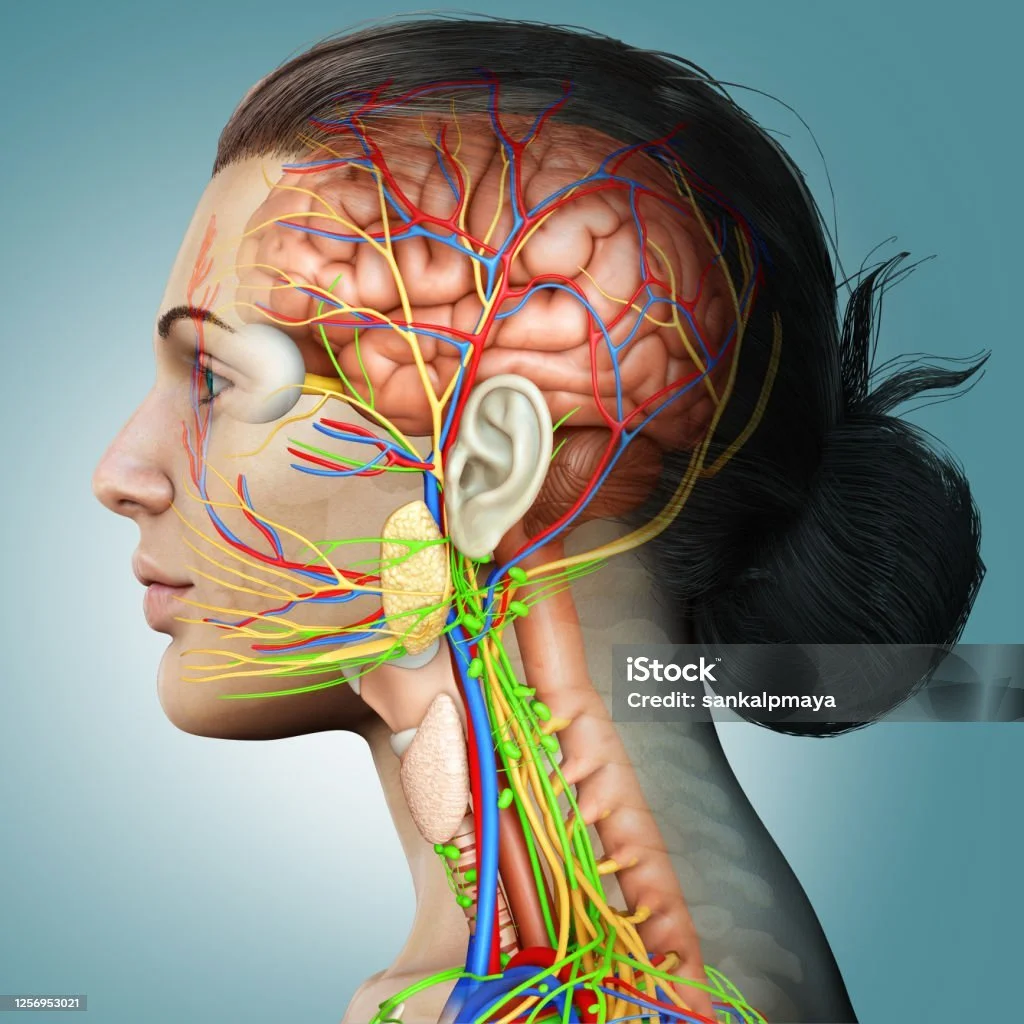
The vagus nerve (cranial nerve X) is one of the most influential nerves in the body. It runs from the brainstem down into the heart, lungs, stomach, liver, pancreas and intestines. In fact, “vagus” means wandering — and that’s exactly what it does.
Here are some surprising things it controls:
Your voice.
It helps control your vocal cords. Hoarseness, a weak voice, or difficulty projecting can sometimes reflect vagus involvement.
Fainting.
A sudden drop in heart rate and blood pressure (a vasovagal episode) is triggered by this nerve.
Your cough reflex.
It monitors your airway. Chronic unexplained cough can sometimes be linked to vagal sensitivity.
Mood and anxiety.
Around 80% of vagus nerve fibres send information from the body to the brain. This is one reason your gut health influences your mental health.
Inflammation levels.
The vagus nerve plays a role in calming the immune system. Low vagal tone is linked to chronic inflammation and poor stress resilience.
Blood sugar regulation.
It influences the pancreas and liver, helping regulate insulin and energy stability.
Swallowing and the “lump in the throat.”
That tight feeling during stress? Often vagus-related.
Heart rate variability (HRV).
Stronger vagal tone is associated with better recovery, emotional regulation and resilience.
Fullness signals.
It helps tell your brain when you’ve eaten enough.
Even your ears.
A small branch of the vagus nerve sits in the ear canal — which is why some people cough when cleaning their ears.
This one nerve quietly coordinates digestion, mood, inflammation, stress response and energy.
When it’s balanced, you feel regulated.
When it’s not, everything can feel harder than it should.
Take this test to find out the health of your vagus nerve.
https://forms.zohopublic.com/sjsnutrition/form/HealthQuiz/formperma/6u-Sot7Za9NRZ5u7GTwdlLqCnlz55nO1IvfkqasWNqY